How MECS and FixChap are powering Tanzania’s clean cooking future
By Kai Mollel and Prince Tillya, FixChap, Tanzania
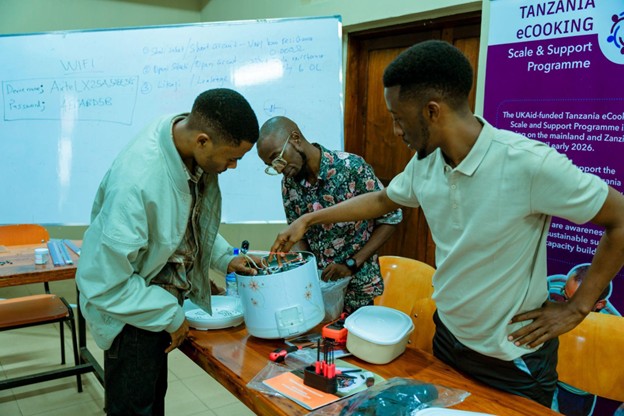
At a small workshop inside the Dar es Salaam Institute of Technology, a rice cooker clicked to life, and the room erupted in cheers. For Deogratias, an electrical technician (fundi in Kiswahili) from Arusha, it wasn’t just a repaired appliance. It was a glimpse into Tanzania’s clean cooking future, one powered by local fundis equipped with modern skills and connected to real opportunities.
“We repair everything from radios to refrigerators,” Deogratias shared with the group. “But these new eCooking appliances, that’s the future. I used to return them when I was given them for repair. Now I can teach others, too.”
Image 1: Trainers and technicians during the eCooking Repair and Maintenance Training at the Dar es Salaam Institute of Technology. Photo credit: FixChap.
Deogratias was among 24 trainers in the ‘training of trainers’ (ToT) cohort in the MECS–FixChap partnership. Led by Mr. Ricky Sambo from VETA Kipawa, the training paired vocational trainers with experienced technicians in a “classroom-meets-street” model, merging theory and real-world repair practice to produce trainers ready to cascade eCooking repair skills nationwide. What makes this effort stand out is both the technology and the way it’s being taught.
MECS and FixChap co-developed a bilingual (Swahili and English) Repair and Maintenance Curriculum designed for real-world use in markets, classrooms, and workshops, featuring step-by-step guides updated continuously with new appliance models and field insights. The curriculum combines key repair and maintenance concepts and practice for EPCs, induction hobs, air fryers, and rice cookers, with business and entrepreneur skills to support fundis in their livelihoods. The objective was to train up 24 trainers, who would then deliver this curriculum in a short-course format of 6 days, to experienced fundis across Tanzania.
After the ToT sessions, assessments showed strong progress . Before the training, few of the vocational trainers and experienced fundis would attempt to repair these appliances. Post-training results showed nearly ninefold improvement in air fryer repairs and fourfold gains in induction hob servicing, and 90% of trainees could repair all appliances. Each trainer now acts as a multiplier, passing on their knowledge to vocational students and neighbourhood fundis through running the curriculum as a short course, building a technical ecosystem. To date, the programme has reached more than 400 technicians across Dodoma, Dar es Salaam, Kilimanjaro, Zanzibar, and Arusha.
As Dr Anna Clements, Lead Researcher for MECS Tanzania, noted, this project “fills a critical gap in enabling technical capacity for modern energy cooking.” It complements MECS’ broader eCooking Scale and Support Programme in Tanzania, funded by UK International Development, linking work with TANESCO on eCooking promotion and on-bill financing, appliance distributors on market access, and Tanzania Bureau of Standards (TBS) on safety and efficiency standards. Together, these strands strengthen the bridge between innovation and implementation, ensuring that clean cooking in Tanzania goes beyond appliance access to include the systems, standards, and skills that keep those appliances working.
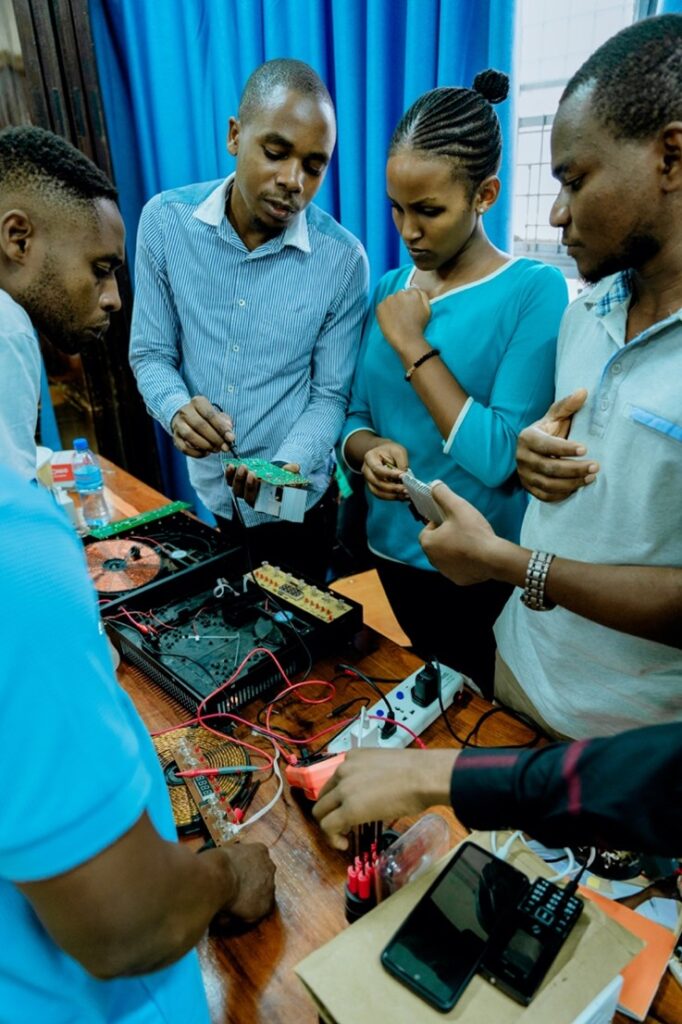
Image 2: Participants at the training course held at VETA KIPAWA. Photo credit: FixChap.
In Tanzania, the eCooking Repair and Maintenance initiative represents the practical expression of that ambition: a model that moves beyond product distribution to build a self-sustaining ecosystem of technicians, institutions, and end-users who can maintain and trust the technology that powers their kitchens.
“The more people can access repair services, the more they can rely on modern energy cooking and the faster this transition will take root,” says Prince, Managing Director at FixChap. “We built this programme hand in hand with stakeholders and institutions like DIT, VETA, and Arusha Technical College, the pillars of technical training in our country to ensure the knowledge stays, grows, and evolves locally.”,
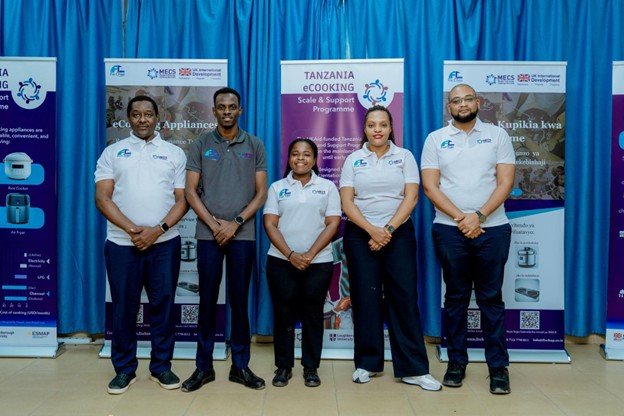
Image 3: The FixChap Tanzania team. Photo credit: FixChap.
Digital Innovation and Connectivity
FixChap’s digital platform connects trained fundis directly to households needing repair services, providing income and visibility. It also hosts live digital manuals — updated with new models, troubleshooting tips, and feedback, accessible anytime via mobile or WhatsApp, reinforcing a “learn, apply, and teach” model for continuous learning.
Building on this momentum, MECS and FixChap are supporting the integration of eCooking repair modules into national Technical and Vocational Education and Training (TVET) systems. This also involves working with regional centres to expand training access, supply-chain linkages, and digital credentialing that formalises fundis’ expertise across Tanzania.
The long-term success of the modern cooking transition depends on strong local systems. Our goal is to make sure every trained technician, every vocational centre, and every community fundi becomes part of a sustainable value chain that keeps modern energy cooking viable, says Kai Mollel, Project Lead.
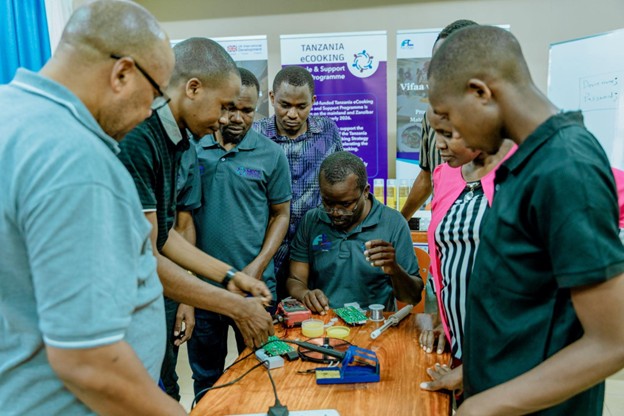
Image 4: Trainees practicing the MECS–FixChap eCooking Repair and Maintenance manual during the ToT session. Photo Credit: FixChap.
What We Learned
This project is still in progress, with the next stages being a detailed monitoring and evaluation of the training course and continued collaboration with VETA and training institutions to scale across more institutions. This initiative contributes to MECS’ global objective by generating important learning on how to build repair and maintenance capacity for modern energy cooking within Tanzania. By engaging five vocational institutions across six centres in five regions, MECS and FixChap bridged the gap between formal training and real-world repair. The ToT phase, involving 24 trainers and technicians, strengthened both technical and teaching capacity. Institutional uptake was strong: though Tanzania has over 40 training centres, few teach appliance repair. This initiative proved demand, reaching 455 technicians, with 30% women. When vocational centres adopt the curriculum and fundis gain livelihood pathways, the system sustains itself, ready to scale nationally.
The experience underscored that sustainability lies in institutional alignment. When vocational centres adopt the curriculum and fundis see clear pathways to recognition and livelihoods, the system becomes self-sustaining. The next step is scaling this model across more institutions to establish a national framework for green-skills training.
Featured Image: Trainers and technicians during the eCooking Repair and Maintenance Training at the Dar es Salaam Institute of Technology. Photo credit: FixChap.