- Date
- 31st October 2025
- Categories
- Clean Cooking
By Jose Luis Ortega Moreno
In September, MECS participated in side events of the United Nations General Assembly and Climate Week in New York, raising the profile of the importance of scaling access to clean, electric cooking within the Sustainable Development Goal (SDG) agenda and the wider energy access context. The main events in which MECS spoke were: Unstoppable Africa, organised by the Global Africa Business Initiative (GABI), from 21-22 September; the SDG7 Action Forum, organised by UN-Energy, on 24-25 September; a high-level partner meeting convened by Sustainable Energy for All (SEforALL); a panel event on the health-gender nexus by Climate and Clean Air Coalition (CCAC) and Oxfam; and a closed roundtable session on the UN-Energy Plan of Action towards 2030. Below, we highlight some of the key takeaways from our engagements in New York.
Partnerships are Critical in Advancing eCooking Progress
A common theme reiterated throughout the week was that of partnerships. Whilst much progress has been achieved since 2015 on SDG7 and the energy access agenda, the number of people lacking access to clean cooking services is predicted to continue rising. To address the complex issue at scale, we must leverage existing investment into energy access programmes and strengthen coordination amongst the range of global and national partners within the SDG7 and clean cooking space.
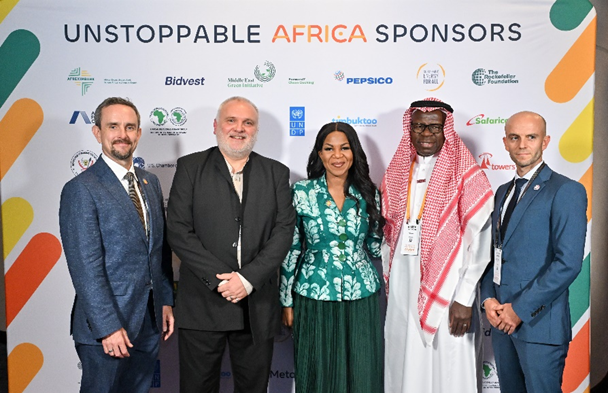
The Global Electric Cooking Coalition (GeCCo) continues to function as an exciting vehicle to unlock eCooking opportunities and foster new partnerships. During the high-level side event ‘Transforming Clean Cooking: Addressing Energy Poverty and Empowering Communities’, organised by Forward7 and SEforALL during GABI’s Unstoppable Africa conference, MECS Director Prof. Ed Brown, closed the session by detailing several recent investments and commitments by various GeCCo partners. These include new CCAC-funded projects, as well as a CCAC-sponsored and GeCCo-led National eCooking component to Nigeria’s National Clean Cooking Policy Implementation Plan; the Agence Française de Développement (AFD) joining GeCCo and pledging EUR 1 billion for accelerating energy access in Africa and an additional EUR 100 million over five years on clean cooking activities; as well as the African Development Bank (AfDB) integrating eCooking into their electrification efforts in Kenya, Tanzania, and Uganda – with their eCooking investments currently totalling around USD 15 million. Through GeCCo’s partnership efforts, these key projects are accelerating the role of eCooking initiatives within the clean cooking space. You can find more information on the announcements we delivered at Unstoppable Africa in this blog.
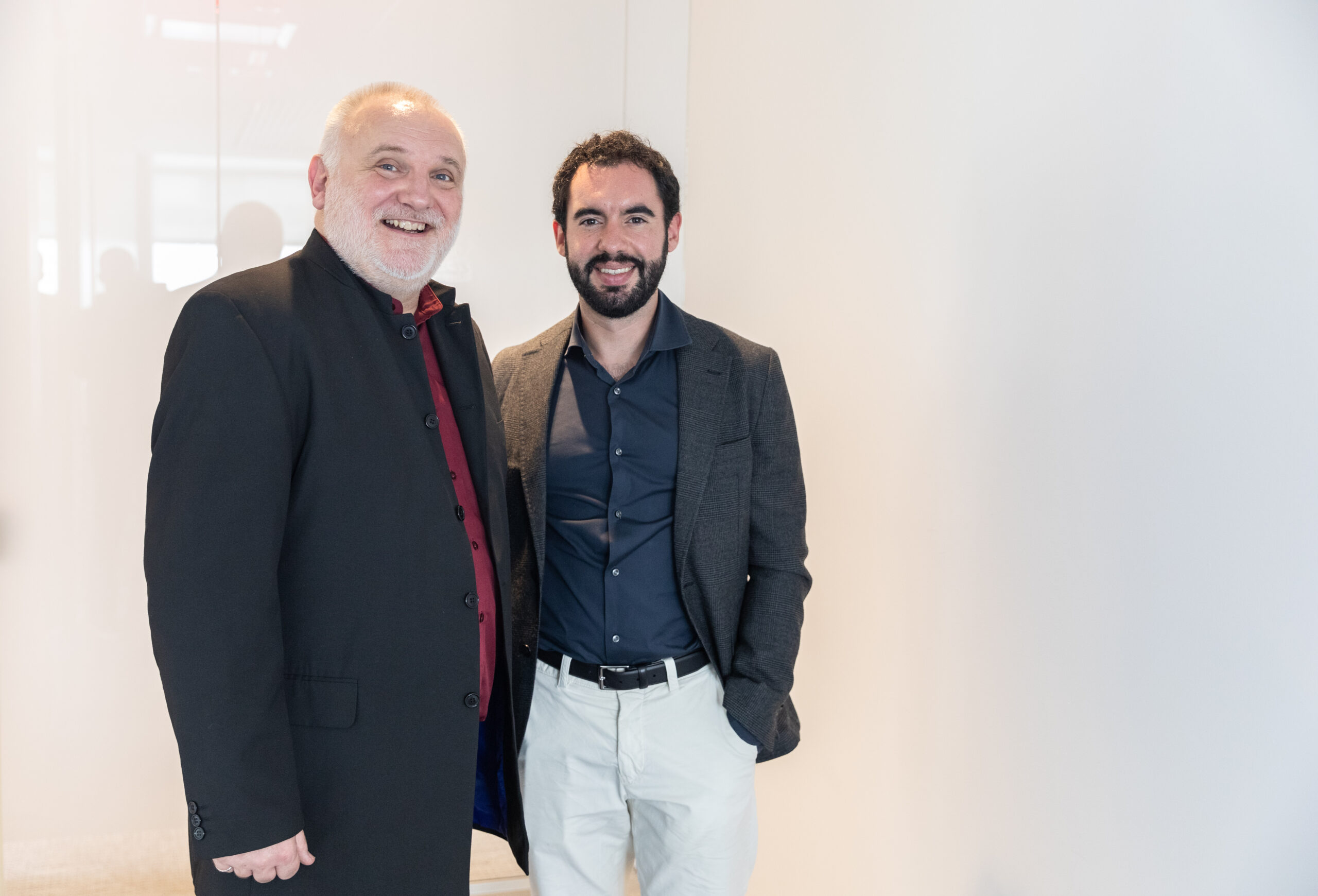
Partnerships were also the central topic discussed at the High-Level Partner Meeting convened by SEforALL on 22 September, at Iceland’s Permanent Mission to the United Nations. Here, participants highlighted SEforALL’s role in fostering collaboration between local, national, and international partners in accelerating energy access, including clean cooking initiatives. One of the principal initiatives referenced throughout the week was Mission 300. There is an exceptional opportunity to leverage the financial investments and political will in Mission 300 to simultaneously address the clean cooking gap in Sub-Saharan Africa, which is still home to the largest number of people without access to clean cooking.
Partnerships across the energy access sector are crucial to ensuring the long-term sustainability of large-scale projects, and the achievement of ambitious targets. Mission 300’s success should not solely be measured in its capacity to connect 300 million previously unserved people across Sub-Saharan Africa to electricity, but on its ability to provide quality electricity, with electrification plans reflecting context-specific needs and local dynamics, enhancing productive uses and bolstering the living conditions of beneficiaries. Utilities must find ways to sustain new connections and ensure that their electrical supply is met by adequate and productive demand. Partnerships are therefore crucial in ensuring that Mission 300 has a positive long-lasting effect, connecting international support to local needs. This is a perspective which we reiterated throughout our engagements across the week.
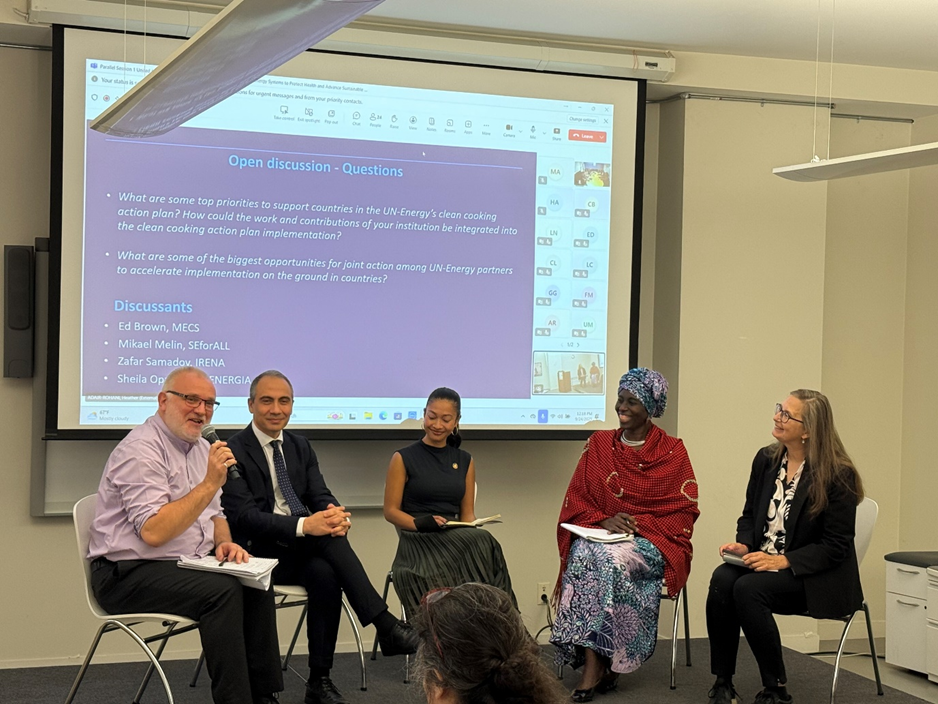
Damilola Ogunbiyi, CEO and Special Representative of the UN Secretary-General for SEforALL, emphasised during the SEforALL event on 22 September that energy access stakeholders must ‘always look at what is already existing’, in the face of a more financially and politically restricted aid sector. Cooking should therefore be ‘added to [national] electrification plans.’ This point was reiterated during the roundtable session on the UN-Energy Plan of Action towards 2030, on 26 September. At the current rate, 1.8 billion people, or 22 percent of the population, will remain without access to clean cooking by 2030. This is far from the SDG7 agenda target to reach global universal access by 2030. We must therefore prioritise clean cooking initiatives to accelerate progress by 2030 and ensure that clean cooking is a key component of the post-2030 agenda. Minoru Takada, UN-Energy Secretary at UNDESA, noted that the SDG agenda is framed as a ‘global partnership for action,’ where partners come together and express their needs, collaboratively designing holistic strategies to achieve sustainable energy access. This will be one of the guiding principles for the upcoming SDG7 Plan of Action for 2030.
Progress Must be Socially Inclusive
Whilst clean cooking advocates urged for deeper collaboration within the wider sustainable energy access sector to accelerate energy transitions, they also called for this progress to be equitable and socially just. Institutional cooking is an area which has received much attention from a range of partners due to its impact on children’s education, health, and nutrition. At the clean cooking side event at Unstoppable Africa, Dr Amina Mohamed Jibril, former Kenyan Minister, emphasised that investing in institutional cooking and children’s education is ‘an investment for the country’s future.’ For many children, the meal they receive in schools is the only proper dish they eat that day, and a way to foster attendance.
There were several exciting announcements delivered at the same event on institutional cooking. Forward7 presented their new partnership with SEforALL to scale up SEforALL’s joint eCooking in schools’ initiative in Tanzania with the World Food Programme (WFP) and MECS. Forward7 has also joined the broader Platform for Clean Cooking in Schools, which supports Schools Meals Coalition alongside other partners to provide healthy school meals for every child by 2030. Prof. Ed also announced a recent investment by Lightrock into their partnership with SEforALL in Tanzania, and the additional financial support of the Children’s Investment Fund Foundation (CIFF) to the institutional eCooking sector. This support for eCooking in school settings will strengthen the educational outcomes of children, securing their attendance, as well as improving their health and nutrition. MECS research also shows that eCooking in schools can result in fuel cost reductions, substantial time savings, and can have positive environmental impacts.
Throughout the different events in New York, significant emphasis was placed on the need to ensure that the poorest households could also access higher-tier clean cooking solutions. During the SDG 7 Action Forum’s side session ‘United for Clean Cooking’, on 24 September, Michela Morese, Senior Natural Resources Officer at the Food and Agriculture Organisation (FAO), spoke on the cross-sectional impact that fuel poverty can have on poor households. She stressed that people often must make dietary decisions based on fuel availability, skipping more nutritious meals such as beans as they take longer to cook, require more firewood, and therefore are more expensive than other options. eCooking can generate financial savings for users who purchase cooking fuels, and significantly reduce cooking times, allowing families to cook more nutritious dishes, and using the time saved for productive activities. When paired with Mission 300, which Damilola Ogunbiyi labelled as the ‘largest driver of jobs in Africa’, eCooking has the potential to be a strong driver of economic development and sustainable electrification.
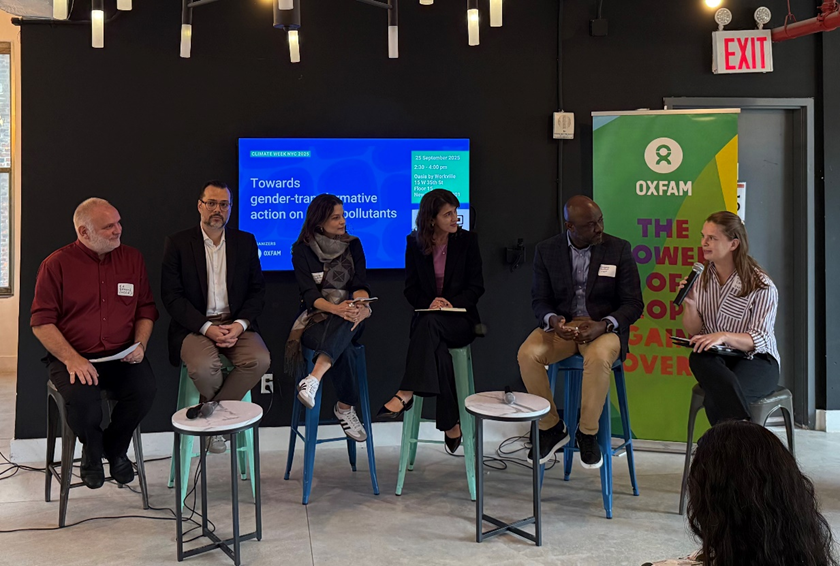
Gender is another crucial dimension when it comes to clean cooking and was present throughout our conversations and engagements in New York. In most contexts, women are the most affected by cooking fuel poverty and lack of access to modern cooking services. As women tend to be responsible for cooking activities, they are exposed to inhaling harmful chemicals when cooking with biomass and have to spend lengthy amounts of time tending the fire. At a panel event on the health-gender nexus hosted by the CCAC and Oxfam, on 25 September, Prof. Ed highlighted the intersectional nature of clean cooking – as women living in poor households are more likely to be exposed to sexual violence when fetching firewood in remote settings.
In the panel, Ed also talked about the role of decision making in the household. In poor rural contexts, it can be challenging to transition to higher-tier cooking solutions with men not willing to spend financial resources, and women lacking the financial resources to make the purchase themselves. Electric cooking can present an effective solution to these complex challenges. Under an increasingly widespread set of conditions, eCooking can result in financial savings for the household. With time savings, women can also engage in productive activities, strengthening their financial independence and building their decision-making power within their household.
Electric appliances tend to be easy to use – especially electric pressure cookers, where cooking processes can be automated. Men can be educated in using these and further redistribute household chores between family members. At the same event, panellists emphasised that for gender-inclusive solutions to work, projects must incorporate gender aspects from the planning stages, with women’s voices and needs also reflected at all stages. To ensure this, organisations must collect and publish gender-disaggregated data, to effectively design gender-inclusive projects and evaluate these throughout their lifespan. MECS has conducted research and a number of programmes specifically on gender, such as our gender framework, JustGESI, and the work of Kachione in Malawi.
Health, Climate, and Super Pollutants were Central Rallying Points
We heard from different organisations about the linkage between cooking in open fires or inefficient stoves and health impacts. Prolonged exposure to fine particulate matter and black carbon increases the risk of chronic respiratory illnesses and cardiovascular diseases. Cooking fuels can also pose safety risks, such as burns or explosions. In New York, we attended the Oxfam- and CCAC-organised panel event presenting their paper ‘Towards Gender-Transformative Action on Super Pollutants’, highlighting the gender-health nexus looking at super pollutants. Strikingly, the household energy sector produces around half of anthropogenic global black carbon emissions, with lower-tier cooking being one of the main emission drivers. We also spoke to representatives of the Global Methane Hub and the wider super pollutants sector at a reception, where we sought new partnerships within the space.
MECS has separately conducted research into black carbon. Recently, we published a MECS-commissioned paper from Berkeley Air Monitoring Group and Orbis Air on how black carbon and organic carbon reductions from clean cooking can be calculated cost-effectively and used to estimate near-term climate impacts. This has been accompanied by two blogs outlining the overall findings of the paper, as well as a detailed explanation of the implications of the methodology. Prof. Ed Brown announced the launch of the paper at the clean cooking side-session at the SDG7 Action Forum. A second phase of the work has recently started, which will include deeper consultation with both climate scientists and market participants.
Concluding Comments
During the last day of our trip, following the roundtable of experts for SDG7, we conversed with a number of clean cooking advocates, who raised a significant question. Is ‘clean cooking’ a good enough term for the sector? As summarised in this blog, our engagements in New York showed the highly complex nature of ‘clean cooking.’ Cooking impacts everyone, and it does so unfairly, inequitably and in an intersectional way. A poor woman living in a rural, unelectrified setting will be differently affected by her lack of ‘clean cooking’ access than someone else with different living characteristics. She will make diet decisions based on fuel availability, spend more time cooking and on related activities (such as fetching firewood), and may lack the financial resources to independently improve her kitchen and cooking practices. Her dependence on firewood for cooking will either strain the household budget or have unintended negative impacts on the environment through deforestation practices. Her health will suffer from inhaling harmful chemicals, and the air quality and general environment will deteriorate due to her community engaging in similar cooking activities. She might have children and rely on their school to provide them with their only meal when she cannot afford to buy cooking fuel or cannot find time to fetch firewood. When the school is unable to provide this meal, her children’s nutrition and health will suffer. The term ‘clean cooking’ therefore does not reflect the different dimensions in which people’s lives are affected. The term makes it seem like the sector is only concerned in moving away from ‘dirty’ fuels – but it is filled with innovation and ambition as it tries to grapple with the multi-dimensional impacts derived from cooking.
Both sustainable energy access and cooking are key pillars of development, and it is vital to recognise this and ensure their incorporation in aid programming. In New York, we saw how modern cooking solutions, including electric cooking, can be drivers of sustainable development. Mission 300 aims to provide 300 million people in Sub-Saharan Africa with access to electricity. This is an opportunity to kill two birds with one stone, introducing both electricity access and capitalising on the available infrastructure investments to address the clean cooking gap. By systematically adding eCooking as a component of countries’ energy compacts, you are not only transitioning people to modern cooking solutions, but you are ensuring that the energy systems created are sustainable by ensuring regular and predictable demand. Electric cooking should be seen as a productive source of energy. It frees up time spent cooking and allows households to use this for income-generating purposes. It can power institutions with cheaper and more reliable fuel, such as schools, where the next generation’s education and future is being shaped. It channels funds into national utilities and can create a new market for eCooking products.
Energy access and cooking go hand-in-hand. The SDG7 sector must come together and ensure that both areas are addressed simultaneously. In New York, we heard and spoke on how ‘clean cooking’ is a complex sector, with exciting innovations and purposeful ambitions. We must continue to push the sector and accelerate solutions to reach 2030 SDG targets and shape the post-2030 energy access development agenda – whatever that may be.
***************************************************************************************************************
Featured Image: Prof. Ed Brown and Jose Luis Ortega (MECS) at the High-Level Partner Meeting convened by SEforALL on 22 September, Permanent Mission of Iceland to the United Nations, New York. Photo by Kevin Dale Photography.