- Date
- 15th July 2025
- Categories
- Clean Energy
By Professor Ed Brown (Loughborough University).
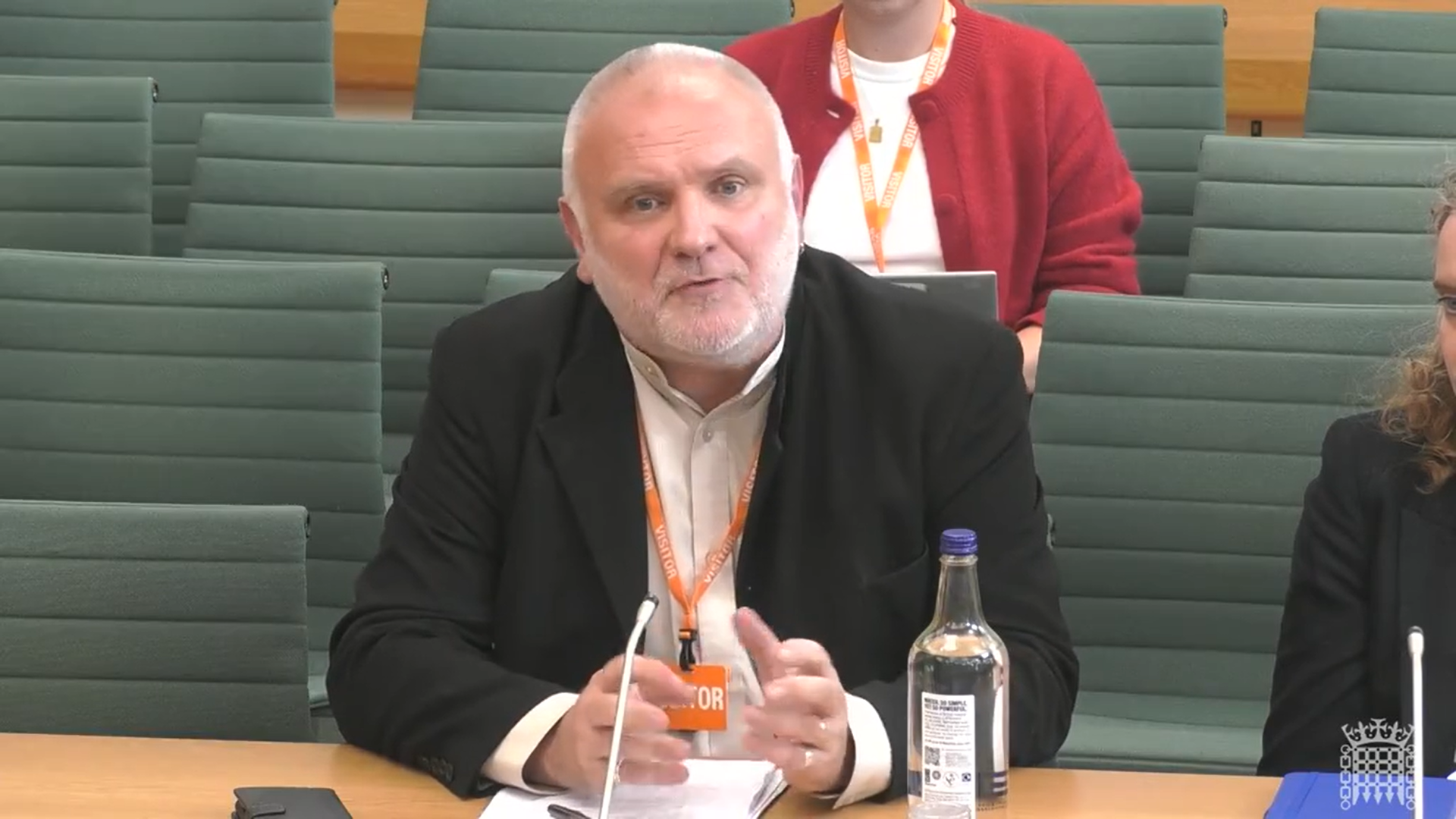
Back in June, I had the somewhat daunting opportunity of representing MECS during a House of Commons International Development Committee Evidence Session related to their current enquiry into the role of UKAid in relation to Community Energy. This enquiry is intended to assess the “UK Government’s role in addressing global energy poverty while promoting clean energy and strengthening local communities abroad. It will seek to understand how much Official Development Assistance (ODA) supports localised energy projects, how effective and transformative this funding is, and where gaps exist in financing, technology, and capacity-building. It is interested in understanding the value-for-money of financing localised energy projects, accounting for their full environmental and social benefits.”
Simon coordinated a MECS response to the enquiry a few months ago, which you can read here1 and this session provided us with an opportunity to speak to our submission and respond to the questions of the committee.
Ultimately, it proved a very rewarding opportunity to see a House of Commons committee in action and I think that my fellow witnesses, Juliette Keely of the Shell Foundation and Emilie Carmichael of the Energy Savings Trust, gave a good account of the work that we have been leading in this area, what it has been like to work with FCDO and our hopes for future cooperation in this area. However, you can judge for yourselves how we did by watching the full session through the parliamentary tv archive as linked here1.
For my part, I was really pleased that I managed to get across a few key points, such as:
- Acknowledging the risk that FCDO took in originally funding MECS and how their long-term investment in us have been so transformative in changing the way in which the international community conceives of and address the global clean cooking challenge. I also mentioned FCDO’s unique ability to link an overarching research and innovation programme with the knowledge and expertise within local country offices which we have been exploring via the country demonstrators in Tanzania and Uganda.
- Outlining the enormity of the challenge facing those committed to tackling the clean cooking access gap – not just in terms of those with absolutely no access to clean cooking fuels but also the numbers with only partial access.
- Pointing out the need to integrate political, economic, financial and technical approaches to clean cooking with more culturally focused approaches that focus on why people cook in the way that they do? What types of cooking fuels they utilise and why? If we are looking to find mechanisms to help them move away from cooking with unsustainable and harmful fuels what can we learn about that process, about how people cook, and how they learn to cook from their families?
- Emphasizing the need for multi-fuel solutions and strategies but recognising that financially in most cases it makes far more sense to draw upon the investment already going into the development and upgrading of electricity infrastructure, rather than investing in the development of fossil fuel-based gas infrastructure that will eventually become stranded assets.
- And perhaps most importantly focussing on the role of cooking loads in helping to address the enormous challenge of growing demand amongst the hundreds of thousands who will be connected to an electricity supply for the first time over the coming years.
…………………………………………..
1 Contains Parliamentary information licensed under the Open Parliament Licence v3.0.
Featured image: Prof. Ed Brown speaking at the House of Commons International Development Committee Evidence Session related to their current enquiry into the role of UKAid in relation to Community Energy (photo credit: screenshot taken from parliamentary tv archive recording (contains Parliamentary information licensed under the Open Parliament Licence v3.0.)).