- Date
- 8th July 2026
- Categories
- eCooking, Informal Settlements
By Dr. Yesmeen Khalifa (MECS), Dr. Md. Shakhaoat Hossain, Sanjida Ahmed, Rakib Hossain, Afsana Yasmin, Sayed Mohammad Rasel, Most. Zannatul Ferdous (Jahangirnagar University), Dr. Progress H. Nyanga, Dr. Inonge Milupi, Dr. Garikai Membele, Muchimba Syamwalu, Francis Mwila (University of Zambia).
Interest in eCooking is growing as a viable solution to address the global clean cooking challenge. The Modern Energy Cooking Services (MECS) programme has demonstrated that energy efficient eCooking can be the most affordable clean cooking option in various contexts (urban, rural, institutional, and humanitarian settings). However, reliable and affordable electricity access is a key requirement for eCooking to be a feasible alternative, which remains a major barrier in informal settlements.
Electricity access in informal settlements is often limited, unreliable and unaffordable and many households rely on firewood and charcoal for cooking, causing massive environmental, health and gender, and socio-economic impacts. Reported figures on electricity access in some informal settlements are often misleading and fail to capture the complexity of access in these areas. For example, 88% of informal settlements in Ghana are reported as having electricity access, however, only 46% of these connections are legal. Residents face many challenges such as being off-grid with no access, close-to-the-grid but unconnected, weak-on-grid connected with unreliable supply, or relying on illegal connections organised by intermediaries. Due to the lack of technical expertise, illegal connections can cause serious health and safety risks such as fire outbreaks, frequent blackouts, damage electrical appliances, high rates of electricity losses and threaten the reliability and security of the grid. Legal electricity connections depend on land tenure or tenancy status, excluding unregistered residents from formal systems and services.
Integrating informal settlements into electricity and clean cooking planning is crucial due to the scale and growth of these settlements as the global slum population reached 1.1 billion in 2022, projected to increase by 2 billion over the next 30 years. In response to this challenge, the MECS programme commissioned two landscaping studies to explore the infrastructural barriers, constraints, and opportunities for eCooking in six informal settlements: Korail, Rupnagar and Rayer Bazar in Dhaka, Bangladesh; and Kanyama, Kanyelele and Mulenga in Zambia. Building on this evidence, a new comparative journal article applied a socio-technical and multi-level perspective to examine how electricity access, housing conditions, informal systems, user practices, and local institutions shape the potential for eCooking in informal settlements.
The findings demonstrate and help unpack the complexity of electricity access in these example informal settings. In Bangladesh, electricity access was widespread but often depended on illegal connections, informal resellers, shared meters, unsafe wiring, and frequent outages. In Zambia, electricity access varied within and between settlements, with lower coverage in areas affected by flooding, steep terrain, poor housing materials, limited road access, vandalism, and theft of electricity infrastructure.
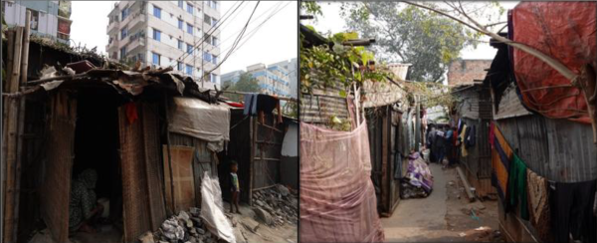
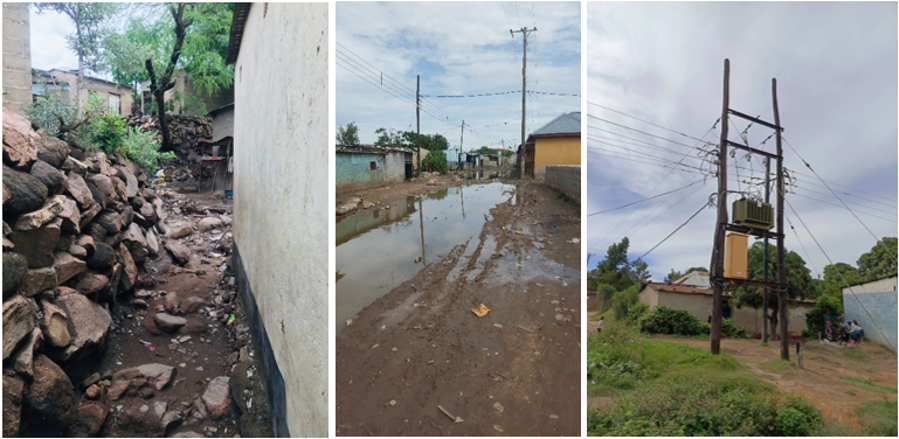
Cooking practices also differed between the two countries. In Bangladesh, natural gas was widely used, but unreliable supply pushed many households to use firewood, charcoal, LPG, or electric appliances alongside gas. In Zambia, charcoal was the primary cooking fuel, with firewood, LPG and some electric appliances also used. Across both countries, fuel stacking was common. Households did not rely on multiple fuels simply because of preference, but as a coping strategy in response to unreliable supply, affordability pressures, and uncertainty.
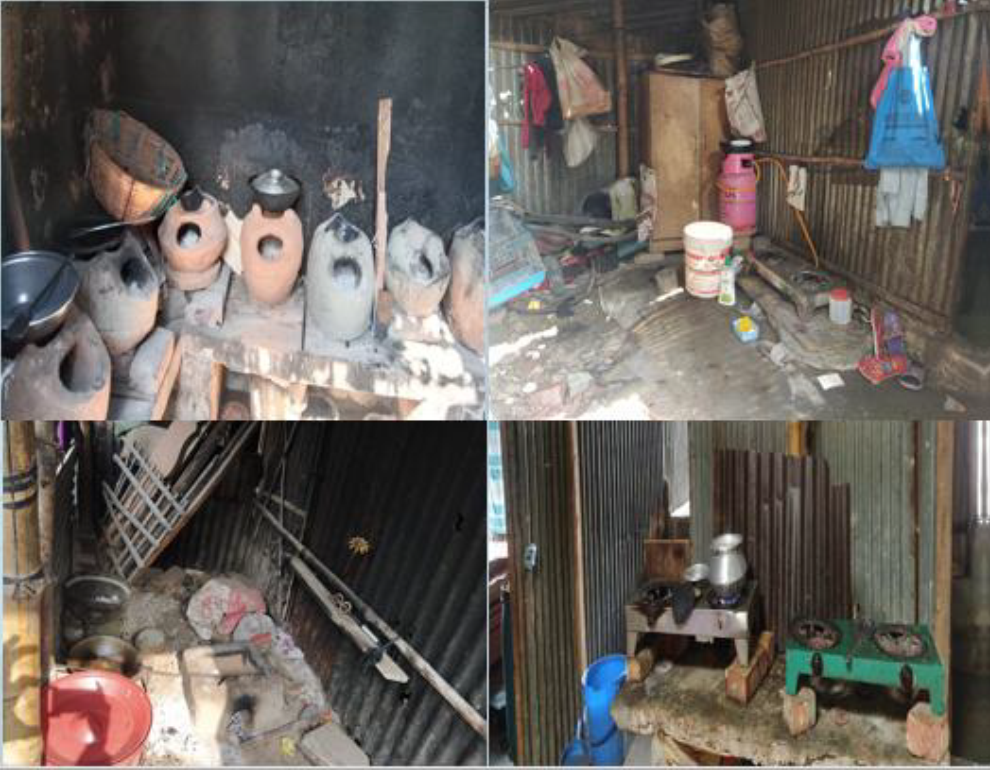
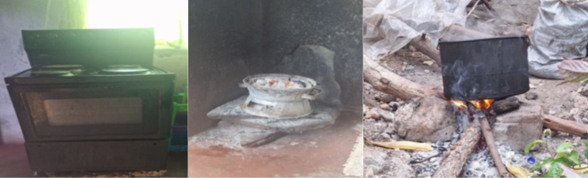
The studies also show that perceptions of eCooking are linked to people’s lived experiences of electricity systems. Many participants recognised the potential benefits of eCooking, including cleanliness, convenience, and reduced smoke. However, they also described it as unsafe, expensive, or inefficient. These concerns were shaped by poor wiring, low voltage, load shedding, shared meters, unclear billing systems, landlord restrictions, and limited awareness of energy efficient appliances such as electric pressure cookers and induction stoves. This suggests that people’s views of eCooking cannot be separated from the conditions in which electricity is accessed, paid for, and controlled.
The findings also highlight the importance of context-specific approaches. In dense, shared-tenement settlements such as those in Bangladesh, priorities may include meter separation, upgrading unsafe wiring, and creating safe, designated cooking spaces. In Zambia, effective electrification planning must account for environmental and spatial challenges such as flooding, limited road access, housing quality, infrastructure vandalism, and uneven service distribution within settlements. These differences highlight that eCooking transitions cannot follow a one-size-fits-all model; they must be tailored to how households access electricity, organise cooking practices, and navigate unreliable services.
By synthesising the two country reports, the comparative paper shows that these barriers are not isolated but deeply interconnected. It positions eCooking within a broader electricity-for-cooking system shaped by four interdependent domains: electricity infrastructure, institutions and governance, social practices, and the physical environment. This perspective makes clear that access to appliances alone is insufficient. For eCooking to become viable in informal settlements, systemic improvements are required, ranging from safer wiring and more reliable supply to transparent metering and billing, settlement upgrading, accessible finance, increased user awareness, and stronger coordination among policymakers, utilities, local authorities, communities, landlords, civil society and the private sector.
The two reports and the comparative analysis reinforce that informal settlements must be fully integrated into eCooking and electrification strategies, rather than treated as peripheral or exceptional cases. While eCooking holds significant promise, its success depends on aligning electricity, housing, finance, and governance systems with the realities of how residents already access and use energy. Addressing these interconnected factors is essential to making eCooking a practical, scalable, and inclusive solution for communities that are often overlooked in formal energy planning.
- For more information on the Landscape Study on the Potential for eCooking in Informal Settlements in Zambia, please follow this link;
- For more information on the Landscape Study on the Potential for eCooking in Informal Settlements in Dhaka, Bangladesh, please follow this link.
……………………………
AI Disclaimer: AI tools were used to support the structure of this blog, with all content refined and authored by a human.
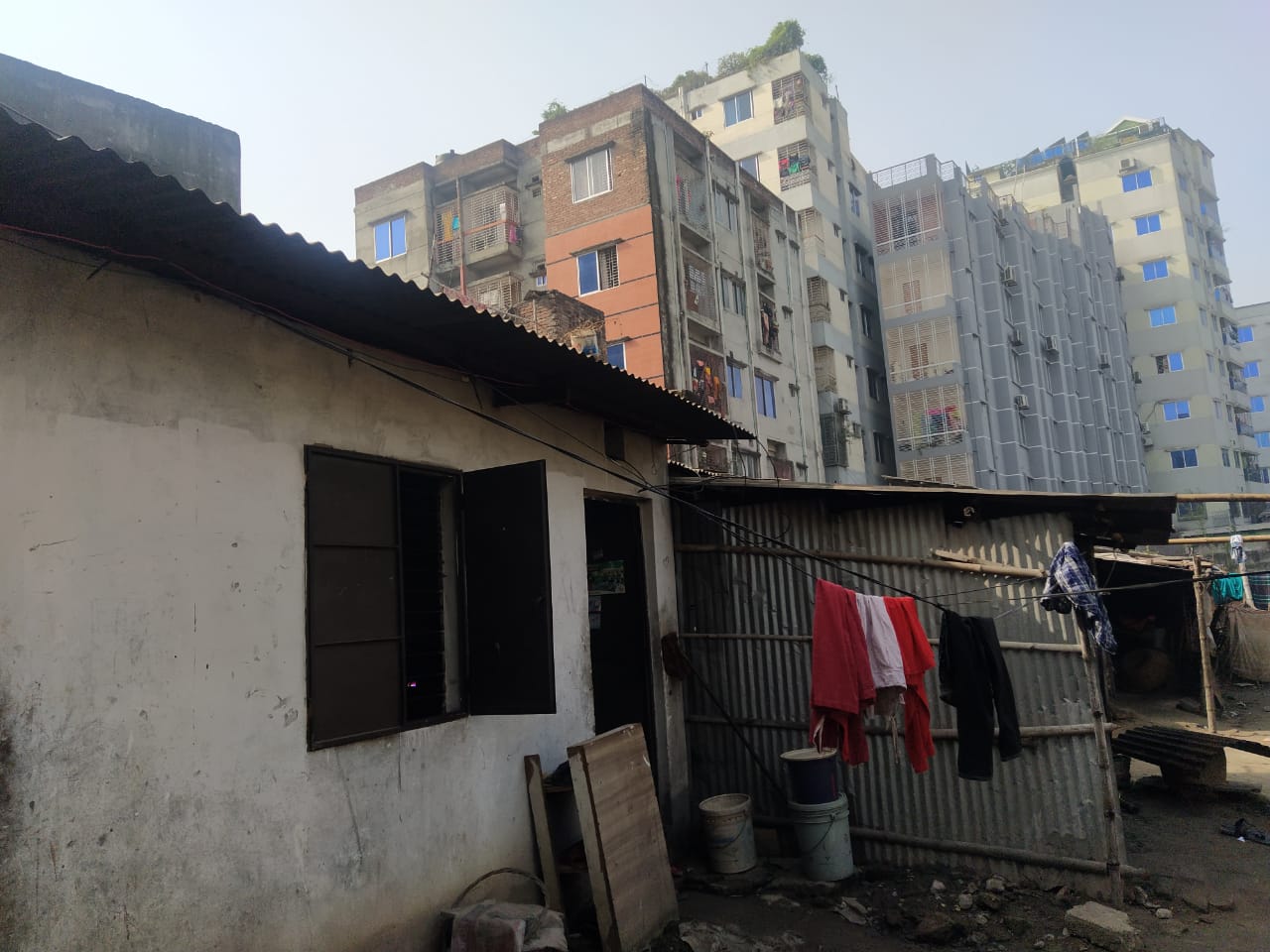
Featured image, top: [Rayer Bazar] (photo credit: Afsana Yasmin, Air Quality, Climate Change and Health Lab, Jahangirnagar University).