- Date
- 10th June 2026
- Categories
- Clean Cooking
By Sheetal Rastogi and Neh Satsangi (Finovista).
In India, food is far more than nourishment – it is memory, identity, comfort, and care.
The aroma rising from a kitchen still tells stories of regions, traditions, and generations. A bubbling pot of dal, the sharp crackle of a tempering pan, or fresh rotis puffing over heat are everyday moments deeply woven into daily life.
And that is precisely why cooking transitions are never only about technology.
India’s cooking landscape has undergone a significant transformation in recent years. Improved electricity access, rising incomes, urbanisation, and government initiatives have all expanded the possibilities for modern energy cooking. At the same time, conversations around clean cooking have increasingly focused on efficiency – how quickly a device cooks, how much electricity it consumes, or how much money it can save.
These questions matter. But are they enough?
As Simon Batchelor reflects in his recent blog, sometimes the difference we optimise for — a few cents saved per meal – may not be what truly shapes cooking choices. Because people do not cook in spreadsheets. They cook within routines, habits, emotions, and constraints that are far more complex than efficiency metrics alone.
This is what makes the recent Multi-Fuel Study: India conducted by Modern Energy Cooking Services (MECS) particularly important.
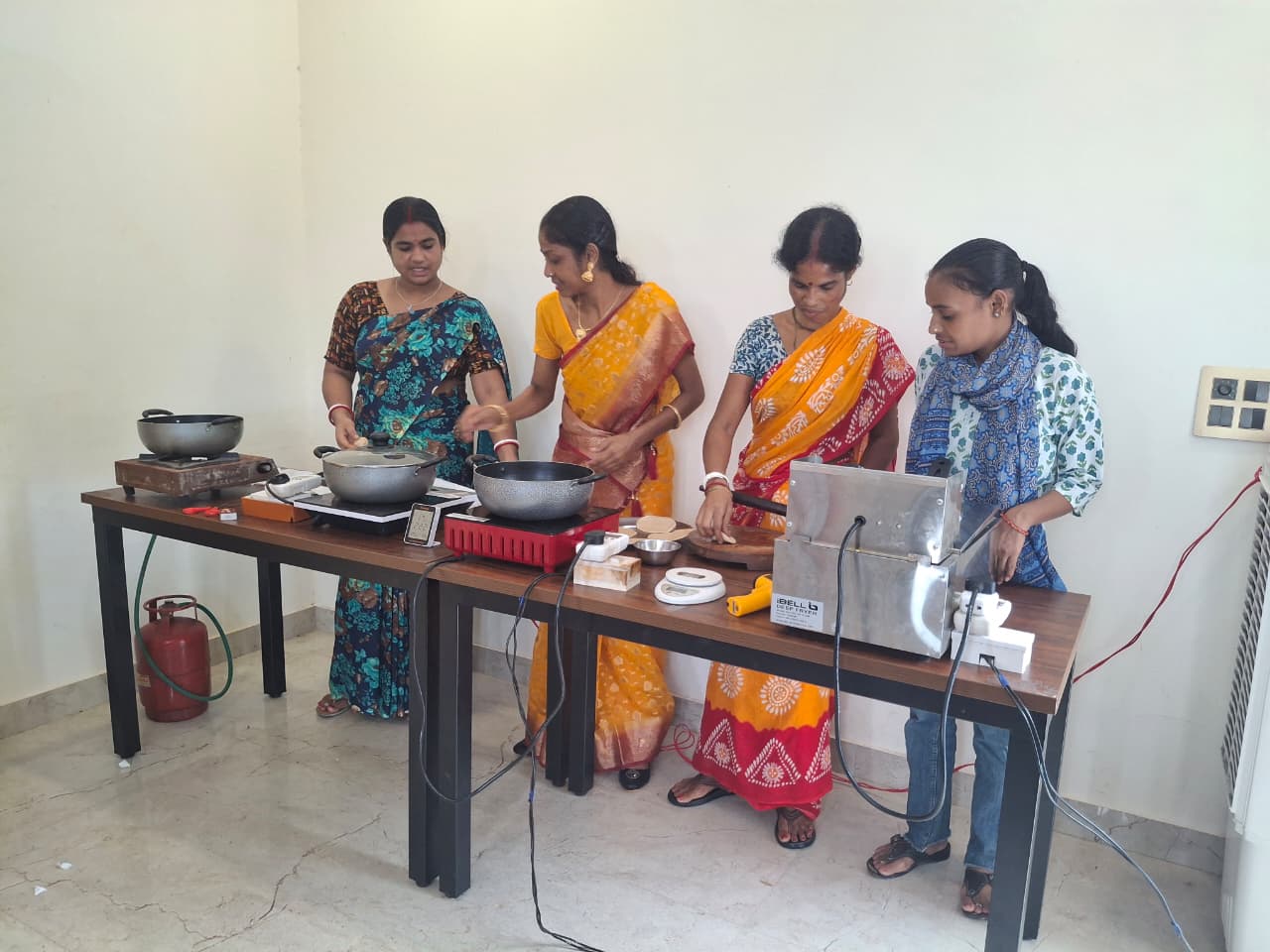
Rather than asking which cooking technology performs “best” in isolation, the study explores how different devices fit into the reality of everyday cooking in Indian households. The research compared LPG with a range of electric cooking technologies — including induction cooktops, Electric Pressure Cookers (EPCs), infrared cooktops, and electric deep fryers — across commonly prepared Indian dishes such as dal, rice, vegetables, khichdi, and fried foods.
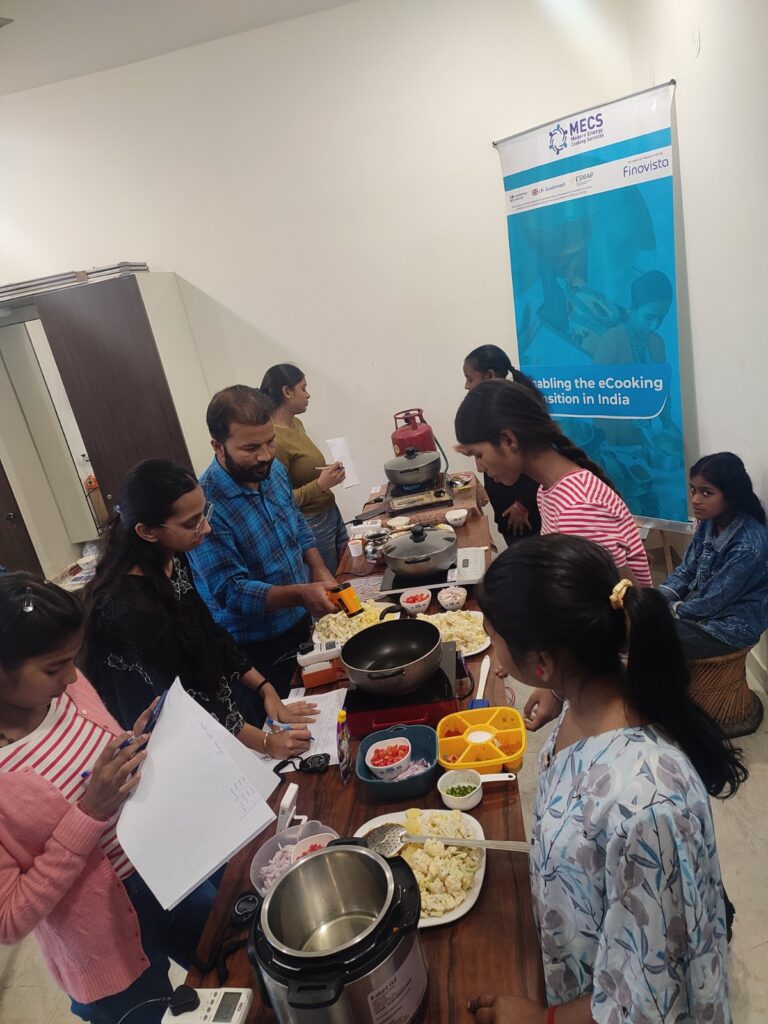
And what emerges is not a story of replacement – but of coexistence.
The findings challenge the idea that there is a single “perfect” cooking solution. Instead, households appear to navigate cooking choices dynamically, selecting devices based on the type of dish, convenience, familiarity, cooking style, and even the level of attention a meal requires.
Some appliances performed exceptionally well for specific tasks. Electric Pressure Cookers, for instance, offered substantial energy savings while reducing the need for constant supervision. Induction cooktops enabled faster cooking for some dishes but also highlighted usability considerations such as utensil compatibility and user familiarity. Meanwhile, certain cooking practices – particularly frying and high-heat applications — continued to favour LPG because of the control and responsiveness it offers.
These nuances matter.
Because the future of clean cooking may not lie in replacing one fuel with another, but in recognising that households value flexibility. Cooking decisions are shaped not only by cost or efficiency, but also by trust, comfort, taste, convenience, and rhythm.
The study also raises an important question for the clean cooking sector:
Are we designing technologies around laboratory performance – or around the lived realities of users?
A highly efficient appliance that feels restrictive or unfamiliar may ultimately see limited use. Conversely, a slightly less efficient device that integrates smoothly into everyday cooking practices may achieve far greater adoption and impact over time.
This is why versatility becomes so important.
Instead of focusing on identifying one “winner” technology, the study points towards the value of a broader cooking ecosystem – one where multiple appliances coexist and complement each other based on cooking needs. Such an approach reflects how people already cook in practice and may offer a more realistic pathway toward sustained transitions to modern energy cooking.
At its core, this study reminds us that kitchens are deeply human spaces.
People do not simply choose fuels.
They choose convenience when rushing through a busy morning.
They choose familiarity when preparing food for family.
They choose reliability, control, and sometimes simply what feels easiest after a long day.
And perhaps that is the most important insight of all.
If we want clean cooking transitions to succeed, we must move beyond viewing households as passive energy consumers and begin understanding them as active decision-makers navigating everyday life.
This also requires recognising that cooking choices are shaped by household decision-making dynamics which in turn are influenced by gender roles, budgets, aspirations and convenience so decisions are increasingly negotiated between women and men rather than made by a single household member.
Because ultimately, the future of modern energy cooking will not be determined by efficiency alone – but by whether technologies genuinely fit into the lives, routines, and aspirations of the people who use them.
………………………………………..
AI disclaimer: AI was used to check and improve the language, tone, and readability of the text.
Featured image, top, credit: Finovista.