- Date
- 21st May 2026
- Categories
- Appliance Quality, Cooking Appliances, eCooking, Electric Cooking, Tanzania
By Jane Spencer, Anna Clements and Charles Barnabas
In November 2024, MECS announced the Tanzania eCooking Scale and Support Programme to seed and support the delivery of a sustained transition to eCooking.
Since then, considerable change has taken place in Tanzania and the 16 project partners have delivered various eCooking initiatives to support the transition to clean cooking. The programme was directly aligned to the Government’s National Clean Cooking Strategy (2024-2034) and was implemented in collaboration with the Ministry of Energy’s Clean Cooking Unit. Support from other government institutions included the Ministry of Education, Science and Technology, TBS, and TANESCO.
This blog post describes the programme achievements and provides links to the final reports from each of our partners.
National eCooking Awareness Raising Campaign
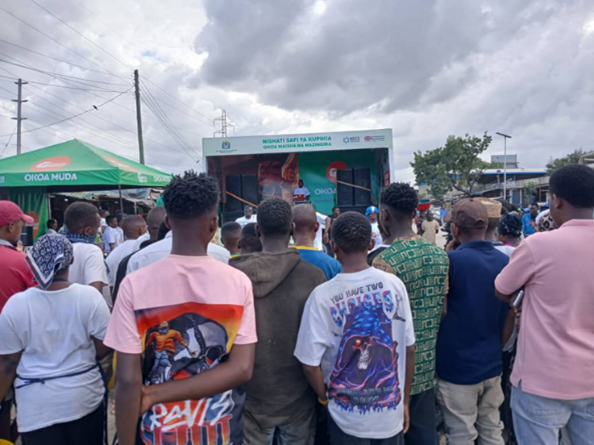
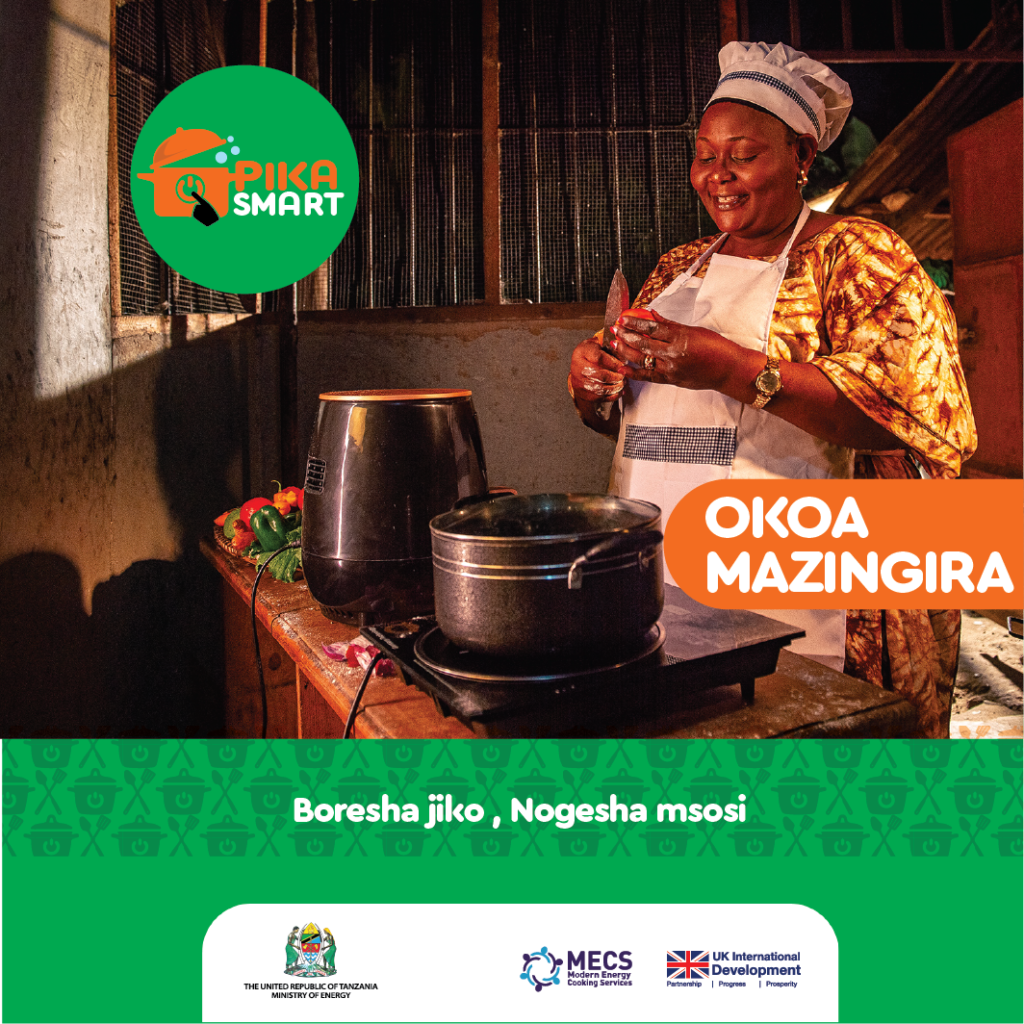
MECS worked with Fern Marketing to deliver a multi-faceted National eCooking Awareness Campaign called Pika Smart endorsed by the Ministry of Energy and aligned with the National Clean Cooking Communication Strategy. The programme of activities included using social media, influencers, radio, TV and other mediums to spread the word about eCooking.
The campaign exceeded our target of reaching 10% of the population with 14.6 million people reached, largely via radio, TV and social media. On the ground, nearly 3,800 people interacted with roadshows which showcased the appliances and how to use them. This campaign firmly cemented eCooking as feasible in the minds of Tanzanians it reached, and highlighted it’s time-saving, cost-effectiveness, and positive impacts on health and the environment. MECS is happy to have handed over all campaign assets to the Ministry and sincerely hope they can continue to be used to spread awareness about eCooking.
Find Fern Marketing’s Final Report here.
TANESCO eCooking Programme
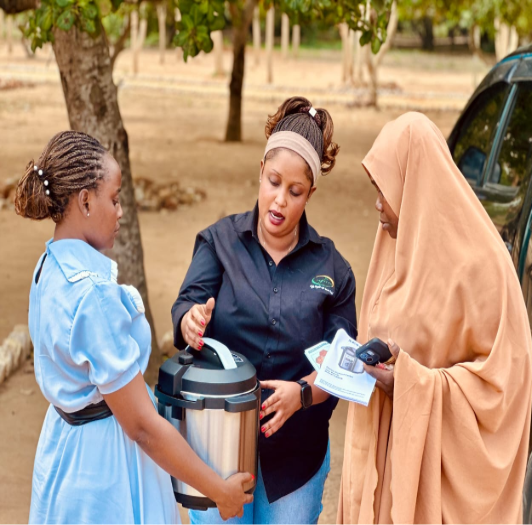
Under this programme, TANESCO have trail-blazed in utility-led promotion of eCooking, developing innovative financing mechanisms to allow staff and customers to easily adopt modern cooking practices. Under their Pika kwa Umeme awareness campaign, TANESCO held 323 events for staff and customers. TANESCO also led the way in showing how utilities can really enable eCooking for their customers, developing and piloting the first eCooking on-bill repayments (OBR) scheme that we know of. The OBR scheme addresses the upfront cost of the appliance by allowing customers to pay gradually for their appliance through a TZS 12,500 monthly deduction taken from the pre-paid electricity purchases. Initially piloted with newly connected customers (Mission 300 in action), the pilot was extended to existing customers this year. In addition, they piloted a staff pay check mechanism, allowing staff to pay through their pay checks over up to 6 months. Over 1,600 appliances have reached customers through the OBR scheme, and nearly 6,400 appliances have been distributed through the staff pay check scheme. TANESCO staff are well on the way to becoming eCooking champions, and customers will continue to benefit from the OBR scheme, as TANESCO seeks to encourage eCooking and contribute to Tanzania’s modern cooking future.
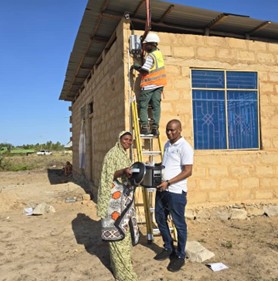
To begin to understand the impact on the grid, TANESCO have also started a longer eCooking metering study using 500 IoT enabled devices. The learning from this will enable them to integrate eCooking into their energy system planning as they aim for 20% of their customers to be eCooking by 2030.
Access TANESCO’s full report here.
Sustainable Supply Chain
Finally, 10 private sector companies were supported to enable growth and innovation to contribute towards a more sustainable supply chain. Two competitions were run. The first targeted early-stage, new entrants to the eCooking market; the second targeted companies who are already experienced in the eCooking supply chain. Companies used the funding in diverse ways, exploring new payment models, expanding into new regions, improving their awareness raising and customer acquisition processes, exploring digitalisation, and diversifying their appliance offering. Their reports offer rich learning from across the eCooking supply ecosystem on opportunities, barriers, and what these companies need to be able to grow and meet the rising demand for eCooking in Tanzania.
Reports from established eCooking supply chain partners include Positive Ayin, Sayari Safi, Smart Pika and SESCOM. For the new entrants to the eCooking market, Africanetic, Bajeti Energies, Mlandege Homestore, Nukta Africa, Oak Workshop, and Rasasa Africa.
eCooking in Schools- Sustainable Energy for All (SEforALL) and World Food Programme (WFP)
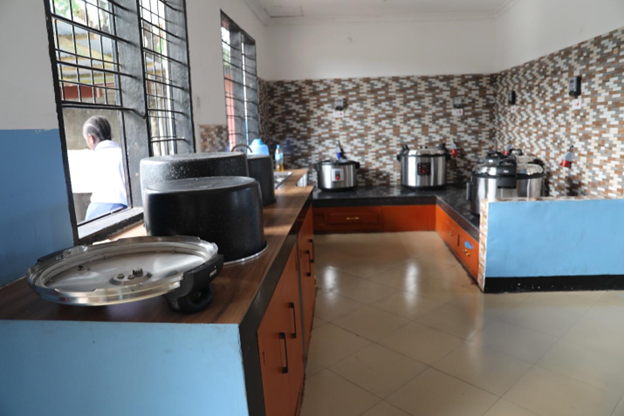
SEforALL have led the launch of the Platform for Clean Cooking in Schools, alongside WFP, the School Meals Coalition, MECS, the Government of Iceland, the Middle East Green Initiative – Forward7, Global Platform for Action and Lightrock. Through the eCooking Scale and Support Programme, MECS, along with support from WFP and Forward7, was able to support some of the early work of the Platform transitioning schools in Tanzania.
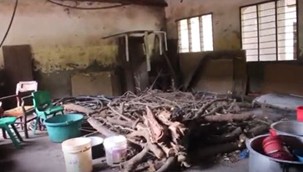
Transitioning schools to eCooking is complex, requiring changes in appliances in use, the kitchen environment, electricity connection and training of cooks. However, it’s a really worthwhile endeavour, enabling schools to save money in cooking fuel costs (nearly half of previous fuel costs saved in some cases), improve the health of cooks, staff, and students, reduce biomass use, and inspire others, such as parents, to make the transition themselves. The reality of achieving eCooking transitions has been challenging but SEforALL and WFP have generated a huge amount of on-ground practical learning for the sector to draw from.
SEforAll and WFP were keen to transition as many schools as possible from biomass to eCooking. Working across 4 regions (Dar es Salaam, Dodoma, Tabora, Kigoma), thiswas made more challenging by the differences in the quality and type of existing school kitchens, and the need for extensive kitchen refurbishment and infrastructure upgrades. Despite this, and in coordination with TANESCO, by the end of March 2026, 36 schools were refurbished. Delays on the shipping of appliances impacted on delivery and installation meaning that appliances are currently being installed and cooks being trained, with all due to be fully operational by the end of May. Already, cooks are noticing the improvements to their quality of life, jobs and health.
In addition this programme trained 8 young women as STEM trainees to contribute towards the next generation of change-makers in Tanzania. They played a major part in the schools’ transitions, liaising with schools, training cooks, holding events, and gathering baseline fuel data to understand the impact of the transition. This data will help enable carbon financing, through understanding biomass fuel usage, which can be compared to carbon emitted through the new eCooking system. Accessing carbon finance to support school eCooking transitions is a key component to future scale, and a carbon advisory firm has now been contracted to set this up.
The report from SEforAll detailing the learning and impacts is due at the end of May but we are happy to share the documents designed throughout the project so that other schools can benefit now. The documents are:
- Clean Cooking Agents – a booklet for students about the impact of cooking
- Clean Cooking Champions – a teacher student practice kit about the benefits of EPC cooking.
- Clean Cooking with Electric Pressure Cooker – activities and demonstration guide for teachers
- Cookbook – English and Swahili
- How an EPC works
- Clean Cooking Comic
- Student guide for a clean cooking club
Repair and Maintenance
Ensuring there is a robust and ready repair and maintenance ecosystem to support a sustained uptake in eCooking is a really important part of the transition. MECS has worked with FixChap to make progress here, with initial work focusing on incorporating eCooking repair services into FixChap’s app – which is like an ‘uber for technicians’. Trained technicians can be listed on the app and customers can reach them through the app, whatsapp, or a call centre when they need help.
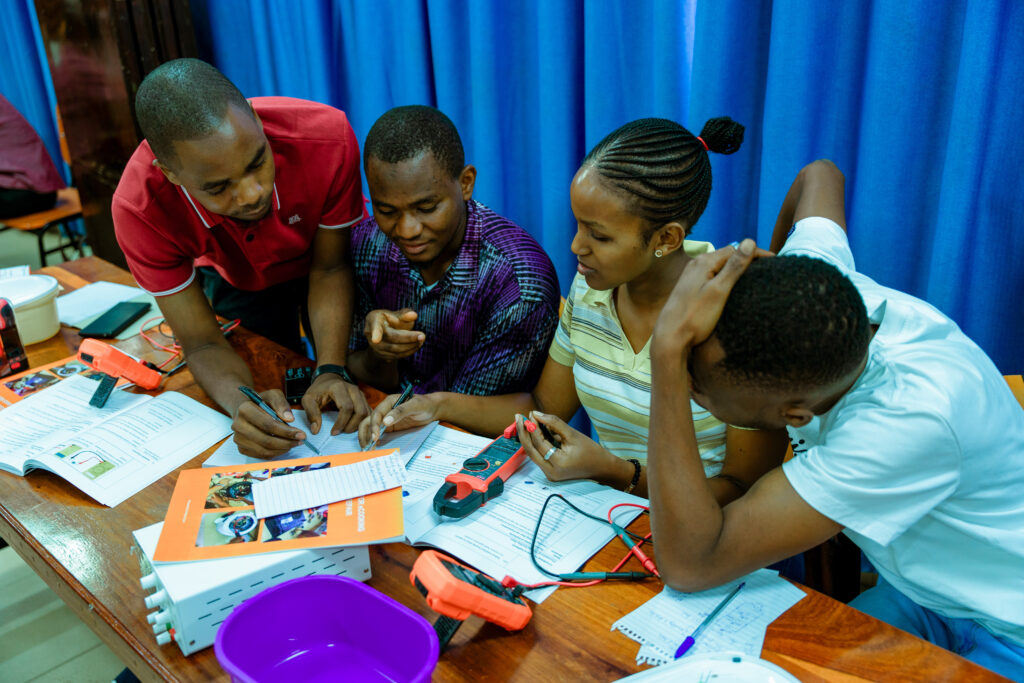
In a second stage, FixChap developed a curriculum to train technicians to repair and maintain these new appliances. Working with VETA and NACTVET, FixChap trained 460 technicians, 31.5% of them women, to be able to fix four appliances; EPC, air fryer, rice cooker and induction hob. 6 vocation training institutions were capacitated to deliver the training, which took place across 5 regions, and 88% of the technicians rated the course as highly relevant to their work. FixChap have also worked with VETA to standardise the course into VETA short-course format, and it is under national review.
Find the report on the app development here.
Find the final report on curriculum development and training rollout here.
Quality and Standards
Low quality and low efficiency appliances that give customers a bad experience can negatively impact end-user trust and willingness to transition to eCooking, and short appliance lifetimes can contribute to higher volumes of eWaste. Building on the success off the Energy Efficiency Action Plan (EEAP) (funded by the EU and implemented by the Ministry of Energy and UNDP TZ), and working closely with TBS and the Ministry of Energy, MECS used the EEAP tried and tested process to develop energy efficiency standards for eCooking appliances and explore the eWaste topic. These reports (MEPS Development; Proposed Monitoring, Verification & Enforcement of MEPS; eWaste Management for Sustainable eCooking in Tanzania) were published on the MECS website in June 2025, written by consultant Joseph Njuguna.
The Minimum Energy Performance Standards (MEPS) were developed for three eCooking appliances (EPC, induction hob, and rice cooker), and include a customer labelling scheme so customers can make an informed purchasing decision. Alongside this a safety standard was developed for the air fryer. The standards are in the process of ratification by the Ministry of Industry and Trade, and it is hoped that they will be mandatory by the end of this year. Enforcement of standards is key, and the programme was also able to capacitate TBS with equipment for 2 testing stations. While the standards are currently voluntary, and the ratification process is ongoing, suppliers can choose to get their appliances tested and labelled up in anticipation.

What next?
This progress and learning would not have been possible without the significant number of partners who were supported during this programme and who were willing to share the good, and not so good, to help raise awareness and develop the market for eCooking.
MECS is delighted to say that work in Tanzania will continue into 2027 with a follow-on programme that is currently in development.