
By Richard Sieff (Gamos Ltd/MECS), Mrs. Srijana Poudel (WACN), Dr. Ashutosh Sharma (WACN), Dr. Chandrashekhar Singh (WACN).
Introduction
“I was impressed with the work they have done. They were able to attract 13,000 NPR (~95USD) to purchase EPC [electric pressure cooker]. I think this is the only project in Nepal which was able to get 13k contributions from the user side to purchase any electric cooking appliance” (Nepali electric cooking sector expert at the WACN SC2 workshop, Feb 2025).
In a market where affordability strongly influences consumer behaviour, the words above highlight the achievement of the Nepali non-profit, Women Awareness Centre Nepal (WACN) in selling 1,800 Philips Electric Pressure Cookers (EPCs) which retail at a far higher price than most competing models. This success, achieved under the MECS “Sparking the Cooking Supply Chain” (SC2) challenge fund, underscores the power of consumer education, financing, after sales support and – underlying all these factors – trust-building through local partnerships. This blog outlines how seven key elements of the multifaceted approach adopted by WACN were key to increasing consumer understanding of the value of high quality electric cooking (eCooking) appliances, overcoming cost barriers, and driving high-volume sales to support sustainable eCooking transitions.
1. Leveraging long-standing social capital within a trusted SACCO network
The SC2 challenge fund tasked awardees with creating a sustainable eCooking supply chain, targeting an initial 1,800 households. WACN’s unique approach was to leverage its grassroots network, long-standing relationships with SACCOs, ties with supplier Phillips, and decades of work in women’s empowerment to drive adoption. Since 1991, WACN have developed 37 women’s savings and credit groups and cooperatives (SACCOs) with over 40,000 members, building deep community trust and social capital. This trusted SACCO network is at the heart of the SC2 project’s success. SACCO members played dual roles – as project beneficiaries (only SACCO members could purchase EPCs via the SC2 offers), and as implementers, carrying out project tasks such as promoting and financing EPCs, and providing after-sales support. This inclusive model created income opportunities and strong incentives for SACCOs, forming a self-reinforcing system that accelerated EPC adoption and strengthened the eCooking supply chain and ecosystem.
2. Early piloting sparks community confidence in the appliance
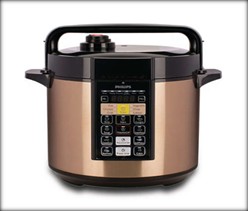
WACN’s selected model for the SC2 project, the 6-litre Philips HD 2139/65, was among the most expensive options in the Nepali market – the higher cost largely due to import logistics and its premium build. Yet, in contrast to prevailing consumer patterns, WACN’s customers have shown consistent demand for quality over price. This trait first emerged in WACN’s earlier MECS Electric Cooking Outreach (ECO) pilot, which demonstrated that consumer confidence was key to EPC adoption. The pilot provided 80 SACCO members with heavily subsidised Phillips EPCs, which received overwhelmingly positive feedback. Participants praised the appliance’s convenience, cost savings over LPG, and comparable or better food quality. Many were eager to purchase a second unit, valuing the Philips brand’s reliability and local repair support. A follow-up study a year later showed wider community demand, driven by word-of-mouth within the SACCO communities. WACN’s trusted relationship with SACCO members played a vital role in building confidence in eCooking, positioning SACCO networks as a powerful channel for scaling electric cooking adoption.
3. Strategic Targeting and Electricity Readiness
For the SC2 project, WACN focused on districts within Bagmati Province, the region within Nepal with the highest concentration of households (70%) primarily cooking with LPG – strategic targeting given fuel costs for cooking with highly efficient EPCs are over half those of LPG. In addition, interviews were held with Nepal Electricity Authority (NEA) officials in the project area to confirm that the existing grid infrastructure could support the increased electricity demand from EPC adoption and that additional support (such as transformer upgrades) would be provided if required. Households were also pre-screened for 15-amp meter capacity, safe wiring and kitchen plug points. This technical vetting process helped ensure readiness for EPC adoption, avoiding complications that might reduce user confidence. Crucially, the earlier ECO study had also demonstrated that the EPC was a strong cultural and behavioural fit, compatible with the local menu (mainly rice, daal, and vegetable curry) and cooking practices.
4. Affordable and inclusive trusted SACCO-led financing models
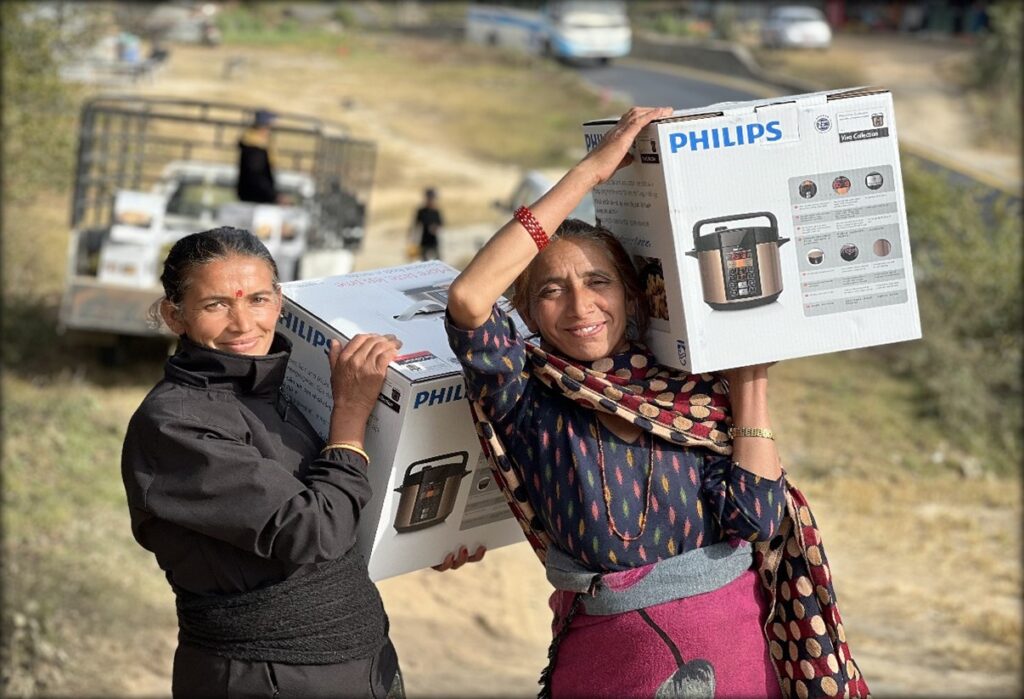
One important driver of the EPC adoption was the project’s 33% appliance subsidy, enabled by bulk purchasing and the SC2 grant. This lowered the EPC price from NPR 19,977 to NPR 13,260, a cost still significantly higher than other models but one closer to consumer expectations, narrowing the gap between willingness to pay and retail price. Most beneficiaries purchased their EPCs in full, but 443 (25%) financed their EPC purchase through loans from their respective SACCOs, with 94% of borrowers stating they could not have afforded the EPC without financing. These findings highlight the importance of the loan facility in making EPCs more accessible among low- and middle-income households. That the financing came via trusted SACCOs was crucial, particularly at a time of national disquiet and protest over the practices of MFIs and external lenders in Nepal. Borrowers found the loan process easy, loan recovery rates were excellent, while in contrast to other micro-financing approaches, the SACCOs offered equal loan interest rates regardless of the ticket size, addressing consumer feedback and promoting transparency and inclusiveness which encouraged purchases.
5. Community led promotion and sales
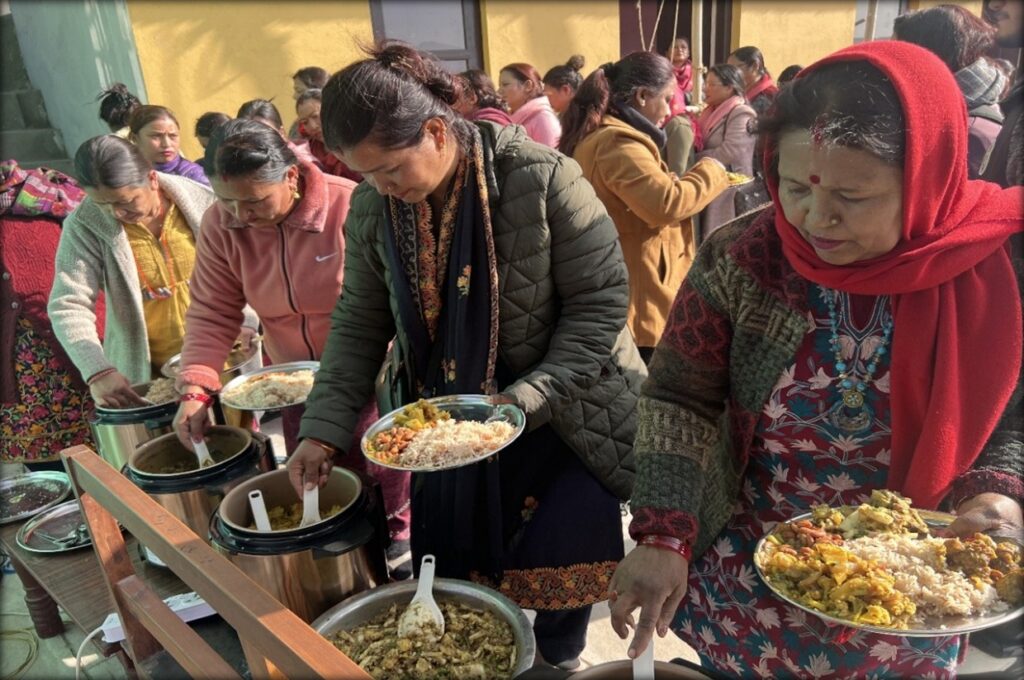
Trust is widely recognized as central to effective community awareness raising, pointing to why SACCO led demonstrations of the EPC proved effective in generating interest and driving sales. WACN conducted 34 campaigns across the SACCO network, attended by nearly 1,700 people. These sessions explained the economic and health benefits of eCooking and directly compared EPC vs LPG cooking costs. Live cooking demonstrations also allowed attendees to witness first-hand the ease of EPC use and the taste of local dishes, dispelling doubts about the cooking performance and suitability of the devices for preparing local dishes. Demonstrations concluded with a sales opportunity, helping to convert interest into purchases. This process was eased by the dual roles of the SACCOs as promoters and finance providers, as attending SACCO officials could facilitate payment processes, including loan applications for those opting for financing.
6. Local after sales services improve use and value perceptions of the EPC
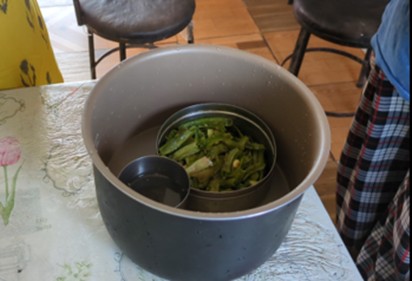
The Phillips EPC proved highly reliable1 and along with a 2-year warranty helped address the common concern of needing local repair services (critically lacking in Nepal). Crucially, WACN also developed local after sales services by training 44 SACCO members to be repair technicians, further increasing consumer confidence and encouraging sales, while providing income-generating opportunities for the newly trained technicians. After sales support also comprised regular community training on how to get the most out of the EPC. Demonstrations were provided on using specific EPC functions, troubleshooting, and preparing local dishes, which encouraged greater use. 85% of surveyed respondents stated the training was essential to use the EPC confidently, which may have contributed to the increase in EPC use from an average 9.03 kWh per household in month one to 12.82 kWh after six months. In addition, the after sales support and ensuing improved consumer confidence in using the EPC seems likely to have contributed to the increased perception of the value of the Phillips device. The average willingness to pay for the EPC increased by 11%, from 12,674 NPR after six months to 14,074 NPR following a 12-month follow-up survey, helping draw WTP closer to the retail price and potentially helping to lower the use of subsidies going forward.
7. Women’s empowerment helps develop virtuous circle driving ever larger EPC adoption
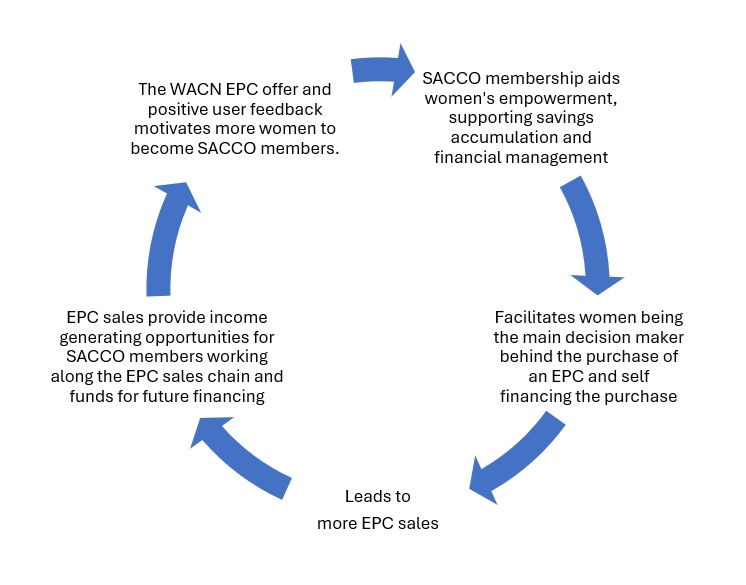
The project both developed and benefitted from women’s empowerment. In 78.5% of households the decision to purchase the EPC was made solely by the women members of the SACCOs, with 55.9% self-financing the upfront payment for EPCs using their SACCO savings. These findings shed light on how SACCO membership has helped empower women by supporting women to accumulate savings and manage finances. These benefits have facilitated EPC sales, supporting income-generating opportunities for SACCO members working along the EPC value chain and providing funds for future SACCO loans for EPCs. Furthermore, the positive EPC user feedback led to 176 women joining the SACCO – specifically to access the EPC offer. This increased SACCO membership provides more opportunities for SACCOs to support women in terms of empowerment and savings, facilitating further EPC sales and thereby helping develop a virtuous circle to drive ever larger EPC adoption that reinforces the sustainability of the business model (image 5).
Conclusion – Perhaps a Blueprint for Scaling Electric Cooking?
WACN’s successful sale of 1,800 premium EPCs in a cost-sensitive market highlights how consumer awareness of product quality can be built and higher prices overcome with the right mix of: consumer education, financing, after sales support, and crucially, trusted community-led engagement. Going forward, WACN aim to build on these foundations by expanding SACCO partnerships, reinforcing supply chains, and reducing reliance on subsidies through long-term consumer confidence, increased value perceptions (already evident), and market maturation to secure a lasting transition to eCooking in Nepal. This integrated model has clearly sparked a supply chain and offers insight into a replicable pathway for scaling electric cooking in similar contexts.
……………………………………
1 A study into eCooking appliance durability by the Nepali NGO, PEEDA, found the Phillips device had the fewest faults among the EPCs tested. An issue affecting the Phillips device was the need to replace worn seals on the lid which the wholesaler informed was a routine requirement after 8 to 10 months of use.
2 Energy consumed in a demonstration of this practices was 0.2kWh (cost of cooking: ~2 NPR / 1 UK pence).
3 See ECO blog for further details of this practice.
Featured image, top: A group of customers with their newly purchased EPCs (photo credit: WACN).